


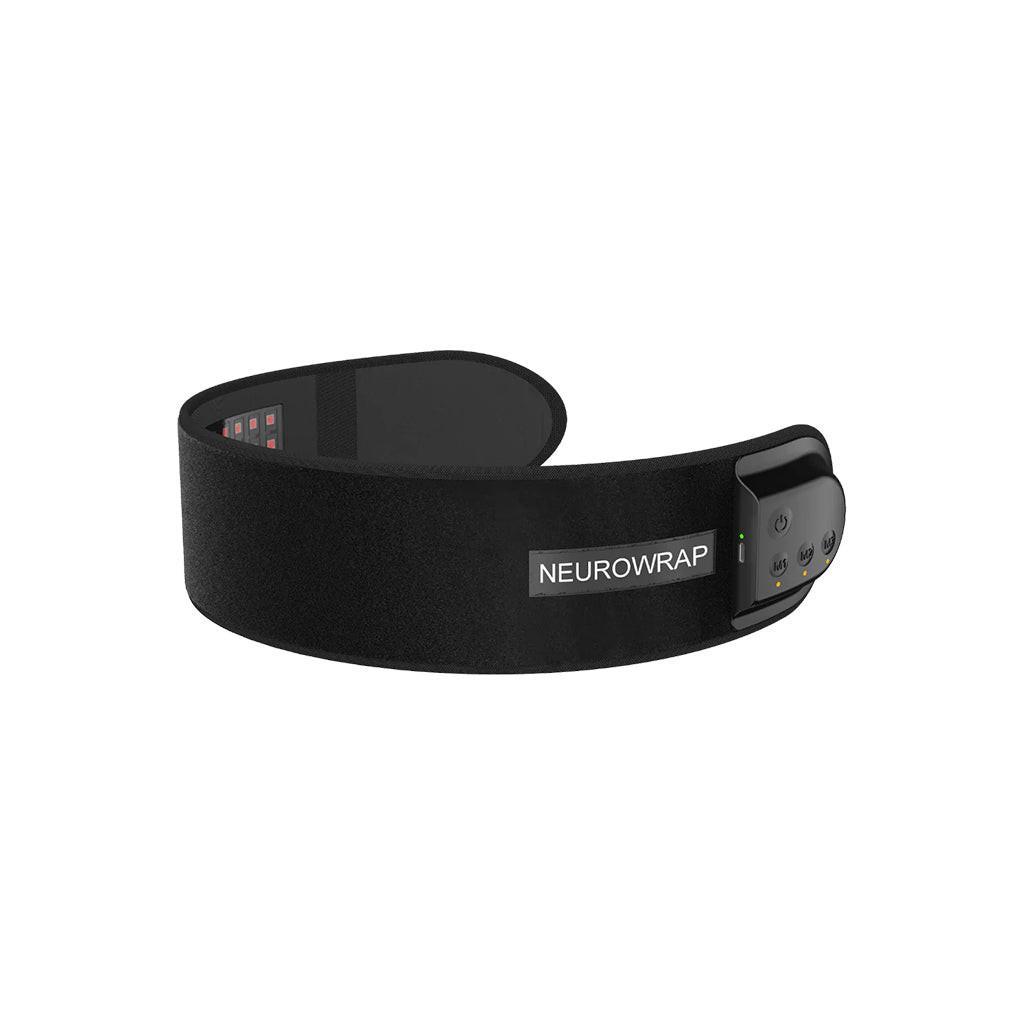


Nushape NeuroPulse PRO Light Therapy Headband – PEMF + Infrared Brain Wellness
✓ Free Standard Shipping
✓ Best Price Guaranteed!
✓ Got a Question? Email or Call / Text 888.884.7159
Standard shipping is free on most orders inside the contiguous 48 states, and any flat rate freight charge appears at checkout before you pay. Anything too large for parcel travels on a pallet, and we call to agree a delivery window instead of leaving it to the carrier. For Alaska, Hawaii, Puerto Rico, military addresses or international delivery, email support@eliteholisticfitness.com for a quote.
Financing runs through our commercial lending partners and most applications are answered within a day, on a soft credit check that leaves your score alone. Terms stretch from short installment plans to multi year equipment leases for business buyers. If an authorized retailer lists this item a lower price, let us know and we'll match the price.
Returns and exchanges are handled under our Return and Refund Policy. Get in touch before sending anything back so the return can be authorised and, where a pallet is involved, so collection is arranged properly.
Inspect the packaging while the driver is still there. Damage noted on the delivery paperwork is straightforward to put right. Damage found a week later is a great deal harder.

Nushape NeuroPulse PRO Light Therapy Headband – PEMF + Infrared Brain Wellness
Description
Nushape NeuroPulse PRO Light Therapy Headband – PEMF + Red and Near Infrared Brain Wellness
The NuShape Light Therapy Headband is a wearable wellness device designed to support cognitive performance, relaxation, and overall brain health using red and near-infrared light therapy. By delivering targeted photobiomodulation directly to the head, this hands-free system helps stimulate cellular energy, promote circulation, and encourage a calm, focused state.
Lightweight and comfortable, the headband is designed for easy daily use at home, at work, or during relaxation sessions. With simple controls and customizable session durations, it seamlessly fits into modern wellness routines for those seeking non-invasive neurological support.
Features
✔️ Red and near-infrared light therapy for targeted brain support
✔️ Wearable, hands-free headband design for convenient daily use
✔️ Supports focus, relaxation, mood balance, and sleep quality
✔️ Non-invasive therapy with no heat or discomfort
✔️ Lightweight construction for comfortable extended sessions
✔️ Simple controls for easy, consistent use
Specifications
Therapy Type: Red & near-infrared light therapy
Wavelengths: 630nm, 635nm, 810nm, 850nm, 870nm
Light Power Density: ~20 mW/cm²
Session Duration: 15–60 minutes with auto shut-off
Power Source: Rechargeable lithium battery (USB-C)
Battery Runtime: Up to 8 hours per charge
Fit: Adjustable headband design
Use Type: Wearable, hands-free
Warranty: 1-year limited warranty

FAQ's
What is PEMF?
PEMF stands for pulsed electromagnetic fields. It is a non-invasive technology designed to support cellular activity and overall wellness. You can think of PEMF as a way to help “recharge” cells, supporting natural energy production and efficient cellular communication.
What does PEMF do?
PEMF is used to support physical, emotional, and cognitive well-being. Different frequencies may be applied depending on the desired effect, such as relaxation, recovery, focus, or overall balance. Many people also use PEMF to support daily wellness and mental clarity.
What are hertz (Hz)?
Hertz (Hz) refers to cycles per second, or how often a pulse repeats.
Lower frequencies are commonly associated with relaxation and reduced nerve sensitivity.
Mid-range frequencies may support endorphin release and stress relief.
Higher frequencies are often linked to cellular activity and repair processes.
Why do we add pulsing to red light therapy devices?
Pulsing is included for three main reasons.
It helps reduce excess tissue heating.
It supports brainwave entrainment, which may enhance relaxation and focus.
Pulsed light in the 10–40 Hz range is associated with increased cerebral blood flow, ATP production, neuroprotection, and reduced inflammation.
These frequencies can resonate with natural brain rhythms and support overall brain function.
What is the difference between 10 Hz and 40 Hz?
10 Hz (Alpha range) is commonly associated with calm focus, learning, mindfulness, and mental coordination.
40 Hz (Gamma range) is associated with cognitive performance, dopamine and serotonin activity, and mitochondrial energy production.
Can I use the NeuroWrap Pulse while it is charging?
No. The NeuroWrap Pulse must be fully unplugged before use.
Can I use red light therapy if I have sensitive skin?
Red light therapy is generally suitable for all skin types and tones. If you have concerns or a medical condition affecting your skin, we recommend consulting your healthcare provider before use.
Does red light therapy reach the brain?
Red and near-infrared light can penetrate the scalp and skull to reach brain tissue, where it interacts with cells at a mitochondrial level.
How does red light therapy support brain health?
Red light therapy targets the mitochondria, the energy centers of cells. When stimulated by red and near-infrared light, mitochondria may increase ATP (adenosine triphosphate) production. ATP is the primary energy source used by brain cells to function, repair, and maintain optimal performance.
How is the NeuroWrap Pulse different from the NeuroWrap?
The NeuroWrap provides red and near-infrared light therapy only. The NeuroWrap Pulse combines red and near-infrared light therapy with PEMF technology. For individuals who should avoid PEMF, the standard NeuroWrap may be the preferred option.
How often can I use the NeuroWrap Pulse?
You may use the NeuroWrap Pulse up to twice per day. For most users, once daily use is sufficient. For best results, consistent use at least four times per week is recommended.
How long is a typical treatment?
Each session lasts 20 minutes. The device will automatically shut off when the session is complete.
How long does it take to see results?
Results vary depending on the individual and intended use. Some people notice changes within 24 hours, while others may take several weeks. Consistency, frequency, and the condition being addressed all influence results.
Do I need eye protection?
Eye protection is not required. The device is designed to rest on the forehead and does not direct light into the eyes.
What time of day should I use the NeuroWrap Pulse?
You can use it at any time of day. Choose a calm, comfortable environment where you can fully relax during the session.
Are there any contraindications?
Although no known side effects have been reported, use is not recommended for individuals with the following conditions without medical approval: active cancer, acute infections, tuberculosis, pregnancy, cardiomyopathy, magnetizable implants, epilepsy or seizure disorders, pacemakers, active bleeding, severe arrhythmias, psychosis, or known photosensitivity.
Also avoid use if taking medications that increase light sensitivity, such as certain steroids.
What are the safety guidelines?
Do not use the NeuroWrap Pulse while plugged in, driving, walking, cooking, or performing activities that require full attention. Use only while seated or resting in a safe indoor environment.
Do not use on wet hair, the eyes, face, breasts, or reproductive organs.
What if I experience a headache after use?
Start with shorter sessions (8–10 minutes) when beginning. Always drink water before and after sessions, as dehydration can contribute to headaches.
Can I use the NeuroWrap Pulse while driving?
No. The device should only be used while seated or resting in a safe environment.
Can I use the NeuroWrap Pulse after Botox injections?
It is generally recommended to wait at least two weeks after Botox injections before using the device. If unsure, consult your healthcare provider.

UltraLux Health Red Light Anti-Aging Mask set

Neuronic LIGHT – 1070nm Photobiomodulation Helmet

HigherDOSE Red Light Face Mask

HigherDOSE Red Light Neck Enhancer

Neuronic Neuradiant 1070 – Transcranial Photobiomodulation Helmet

HigherDOSE Red Light Hat

UltraLux Red Cap – Red & Infrared Light Therapy for Hair Growth

Vielight Neuro Duo 4 – Transcranial Photobiomodulation System
Vielight Neuro Gamma 4 – Brain Photobiomodulation System
Vielight Neuro Alpha 4 – Brain Photobiomodulation System
